





Supporting Every Mind: Why Neurodiversity Matters
- Autism Care
- Stories
- News
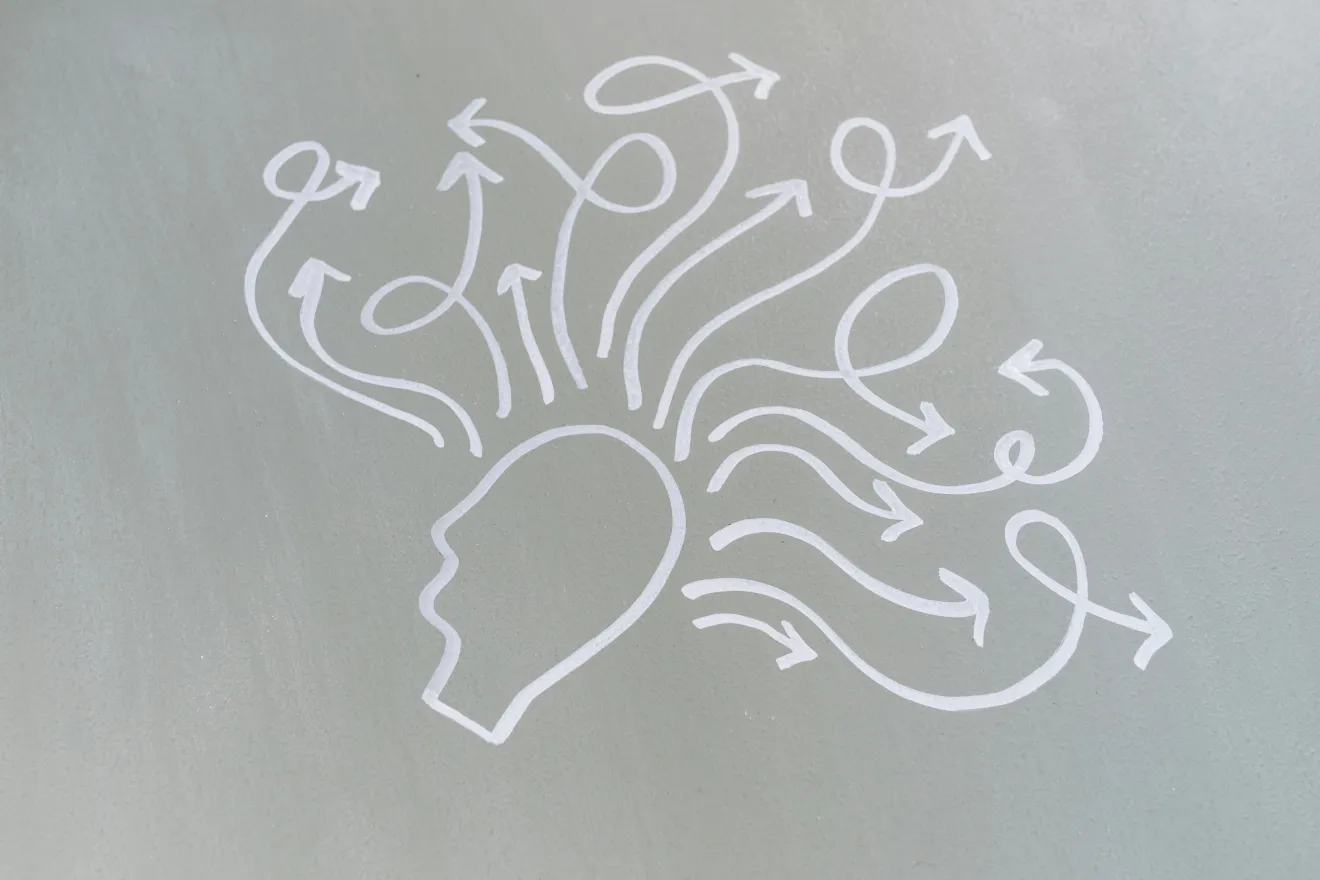
Understanding cognitive diversity and how it shapes learning, communication, and everyday life
Understanding Neurodivergence: Cognitive Diversity
Mental health, disability, and diversity are hot topics in today’s culture, introducing buzzwords into discussions about education, workplaces, healthcare, and identity. Yet most people are left wondering what these new terms mean. In recent years, the term ‘neurodivergence’ has become increasingly common as a term of self identification, specifically in the context of diagnoses such as autism.
At its core, neurodivergence reflects the reality that human brains do not all function the same way. Rather, people experience differences in how they learn, communicate, focus, and process sensory information. Research suggests that roughly 15–20% of the population may be neurodivergent, meaning millions of people experience the world differently than modern culture accommodates.
Understanding neurodivergence invites us to reconsider how we define “normal” thinking—and how environments can either limit or support different minds.
Neurodiversity: A Different Way of Understanding Minds
The concept of neurodiversity emerged in the late 1990s as part of disability rights and autism advocacy movements. Sociologist Judy Singer, who helped introduce the term, argued that neurological differences should be understood as natural human variation rather than medical deficits.
Singer described neurodiversity as “the virtually infinite neuro-cognitive variability within Earth's human population.”
This perspective aligns with broader ideas in disability studies, which advocate that many barriers people face arise from a society designed for a narrow range of abilities, or the neurotypical (normal) mind.
Conditions Commonly Associated with Neurodivergence
Neurodivergence is an umbrella term, primarily chosen by an individual to describe their internal experience, not a diagnosis. The most widely recognized neurodivergent conditions in both research and advocacy include:
- Autism Spectrum Disorder (ASD)
- Attention-Deficit/Hyperactivity Disorder (ADHD)
- Dyslexia/Dyscalculia/Dysgraphia
- Dyspraxia / Developmental Coordination Disorder
- Tourette Syndrome and other tic disorders
- Auditory Processing Disorder (APD)
- Nonverbal Learning Disability (NVLD)
- Sensory Processing Disorder (SPD)
These conditions affect learning, executive functioning, sensory processing, and communication.
However, research increasingly describes the differences seen in neurodivergence as cognitive variations that influence learning, perception, and communication. This definition is beginning to expand the term to include differences such as intellectual disability or giftedness, certain neurological or brain-based conditions which can influence cognition, sensory processing, or behavior, and psychiatric conditions that significantly shape cognition, perception, or emotional regulation, such as:
- Bipolar disorder
- Obsessive-Compulsive Disorder (OCD)
- Schizophrenia spectrum conditions
- Major depressive disorder
- Generalized anxiety disorder
- Post-Traumatic Stress Disorder (PTSD)
Individuals who identify as neurodivergent may process sensory information differently, experience variations in executive functioning, or develop unique communication styles.
These differences shape everyday experiences in schools, workplaces, and social relationships.
How Neurodivergence Shapes Everyday Life
Neurodivergence impacts the way an individual interacts with all aspects of their life; some situations are more heavily influenced by neurological expectations.
For example, traditional educational systems often prioritize standardized teaching methods and testing structures. For some neurodivergent students, these environments create barriers. Many educational systems still rely on a “one-size-fits-all approach” to learning environments, leaving students with different cognitive needs to adapt or self-advocate, usually without ever being taught how to do so.
Neurodivergent thinking can also play an important role in professional environments. Studies examining technology and engineering teams suggest that cognitive diversity can contribute to innovative problem-solving and new perspectives.
Many organizations are beginning to recognize these strengths as programs designed to recruit neurodivergent professionals have emerged in fields such as software engineering, cybersecurity, and data analysis. These initiatives reflect a growing understanding that diverse cognitive styles can enhance creativity and innovation.
Neurodivergence can also shape how individuals communicate and build relationships.
For many years, autism research framed social communication differences as deficits in autistic individuals. However, autistic scholar Damian Milton proposed an alternative explanation known as the “double empathy problem.”
Milton wrote that autistic people may lack insight into non-autistic perspectives. In other words, communication difficulties arise not because one group lacks empathy, but because people with different neurological experiences may interpret social cues in different ways.
This concept has become influential in disability studies because it reframes communication challenges as mutual misunderstandings rather than deficits.
The Neurodiversity Movement
The neurodiversity movement builds on this shift in perspective. Instead of focusing only on diagnosing or correcting neurological differences, advocates emphasize social inclusion and accessibility. This approach aligns with the social model of disability, which argues that many challenges arise when environments fail to accommodate diverse needs.
From the perspective that neurodivergence is a functional difference, not a deficit, improving inclusion means designing schools, workplaces, technologies, and communities that support a wider range of cognitive experiences.
Strengths of Neurodivergent Thinking
Although neurodivergence is often discussed in terms of challenges, many scholars emphasize the strengths associated with different cognitive styles.
Individuals who identify as neurodivergent are frequently described as demonstrating:
- innovative and creative thinking
- deep focus or “hyperfocus.”
- strong pattern recognition
- attention to detail
- unconventional problem-solving approaches
These strengths can become like superpowers when individuals have access to complementary fields, giving them the potential to push innovation. However, recognizing these strengths requires systems that are designed to support different ways of thinking rather than expecting everyone to fit the same mold.
Rethinking “Normal”
In many ways, the growing recognition of neurodiversity reflects a broader shift in understanding the human mind, not as a single standard, but as a spectrum of abilities.
Neurodivergence challenges long-standing assumptions about how minds are supposed to work. As Singer originally envisioned, the concept of neurodiversity encourages society to recognize the full range of cognitive experiences that exist.
In a world facing increasingly complex challenges, embracing diverse ways of thinking may not only promote inclusion but also expand our collective ability to solve problems and imagine new possibilities.
What This Means for the Boundless Community
At I Am Boundless, this understanding of neurodiversity is more than a theory—it is part of the organization’s mission.
Boundless works with individuals who experience developmental, behavioral, and mental health differences, including many who identify as neurodivergent. Through healthcare, mental health support, assistive technology, employment support, community services, and more, Boundless helps individuals build the tools and environments they need to thrive.
Rather than focusing solely on limitations, Boundless’ approach recognizes the strengths, perspectives, and potential each individual brings to their community.
Programs across Boundless campuses are designed to embrace the boundless potential of all people; supporting individuals where they are, adapting environments to meet diverse needs, and creating opportunities for individuals to pursue independence, meaningful work, and connection.
In practice, this means helping a student find the learning support necessary to succeed in school, assisting an adult in building workplace skills, or providing therapeutic services that strengthen confidence and communication.
For many individuals and families, Boundless serves as a partner in navigating systems that were not always built with neurodivergent experiences in mind.
Embracing Different Minds
As awareness of neurodiversity continues to grow, organizations like Boundless play an important role in helping communities move from awareness to action.
By creating environments that recognize cognitive diversity, we can ensure that more people can contribute their strengths, pursue their goals, and live meaningful lives, because when we expand our definition of what it means to think, learn, and communicate differently, we also expand what is possible for individuals—and for the communities that support them.
Neurodiversity Awareness - Autism Studies Research Guide - Pilgrim Library at Defiance College
Neurodiversity Is a Competitive Advantage
What is neurodiversity? - Harvard Health
Neurodiversity | Cornell Health
Neurodiversity : the birth of an idea / Judy Singer. | Wellcome Collection