





Children’s Dental Health Month: Supporting Healthy Smiles for All
- Stories
- News
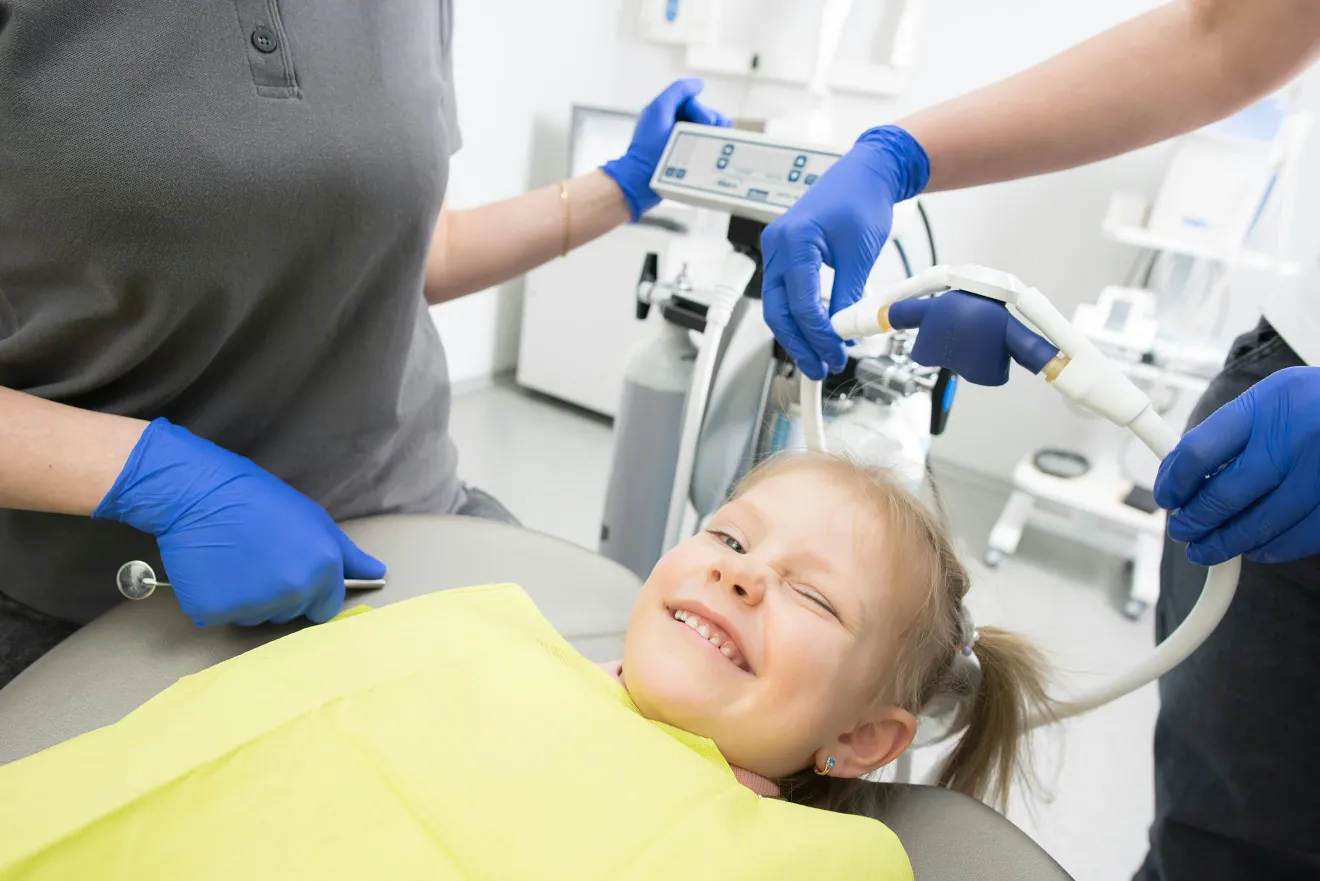
February is Children's Dental Health Month
February is Children’s Dental Health Month, a time to highlight the importance of building strong oral health habits early in life. For children with intellectual and developmental disabilities (I/DD), including autism, early dental care is especially important but often more complex.
While baby teeth may be temporary, the routines, experiences, and access to care children have early on can shape their dental health for a lifetime. For many families of children with I/DD, finding dental care that is accessible, compassionate, and trauma-informed can be a challenge.
At Boundless, we believe in accessible dental care for all. “What makes Boundless Dental different is that we don’t expect children to adapt to our environment. Instead, we adapt our environment to them. We approach dental care through a trauma-informed lens, recognizing that every child deserves care that respects their sensory needs, communication style, and pace,” said Boundless Dental Director, Dr. Ashiyan Rahman.
Why Early Dental Care Matters
Baby teeth play a critical role in a child’s overall development. They support eating, speech, and proper alignment of adult teeth. Tooth decay is one of the most common chronic conditions in children, yet it is largely preventable with early intervention and consistent care.
For children with I/DD and autism, oral health challenges may be compounded by:
- Sensory sensitivities
- Communication differences
- Anxiety or fear related to unfamiliar environments
- Difficulty tolerating traditional dental tools or procedures
Because of these barriers, some children go without regular dental care, while others may only receive care under general anesthesia or sedation. While sedation may be necessary in certain cases, it should not be the only option available.
Dental Care Isn’t One-Size-Fits-All
Traditional dental settings are not always designed with neurodivergent children in mind. Bright lights, loud sounds, unfamiliar sensations, and rushed appointments can be overwhelming and distressing—especially for children who process sensory input differently.
When dental visits are stressful or traumatic, it can lead to avoidance, delayed care, and worsening oral health over time. That’s why accessible, individualized approaches to dental care are so important.
Building Healthy Habits Early
Early exposure to gentle, positive oral care experiences can make a meaningful difference. Establishing routines at home, like brushing twice a day, using visual schedules, practicing mouth opening, or using adaptive toothbrushes, helps children build familiarity and confidence over time.
"I always tell parents to make brushing fun! Use a timer, play a song or even let your child pick out their own toothbrush," said Dr. Rahman. "The earlier kids develop good habits, the better their oral health will be in the long run."
Just as important is access to dental providers who understand that:
- Progress may be gradual
- Appointments may take longer
- Communication may look different
- Flexibility is essential
When children feel safe and respected, dental care becomes more manageable—and more effective.
Sedation-Free Dentistry: A Different Path Forward
At Boundless, dental care is designed to meet children with I/DD and autism where they are. Boundless offers sedation-free dentistry, using patience, relationship-building, desensitization, and individualized supports to help children successfully receive care without anesthesia whenever possible.
This approach may include:
- Skill-Building appointments before a dental visit is scheduled
- Multiple short visits to build comfort
- Sensory-friendly environments
- Clear, simple explanations
- Collaboration with caregivers
- Respect for a child’s pace and communication style
Sedation-free dentistry helps preserve a child’s autonomy and can reduce fear, risk, and long-term avoidance of dental care while still prioritizing safety and comfort.
Oral Health Is Connected to Overall Health
Dental health affects more than just teeth. Untreated oral health issues can impact nutrition, sleep, communication, behavior, and overall well-being. For children with I/DD, these effects can be even more significant.
According to Dr. Rahman, "A lot of people don’t realize that oral health is directly linked to overall health. Gum disease, for example, has been connected to heart disease and diabetes. Regular checkups help catch issues before they become serious."
Every Child Deserves a Healthy Smile
Children’s Dental Health Month is a reminder that every child deserves access to dental care that works for them. When we start early, adapt our approaches, and prioritize dignity and understanding, we can reduce barriers and improve outcomes for children with I/DD and autism.
Healthy smiles don’t come from forcing children to fit the system—they come from building systems that fit the child.