





More Than Companions: Understanding Service Dogs and Other Support Animals
- Stories
- Employee
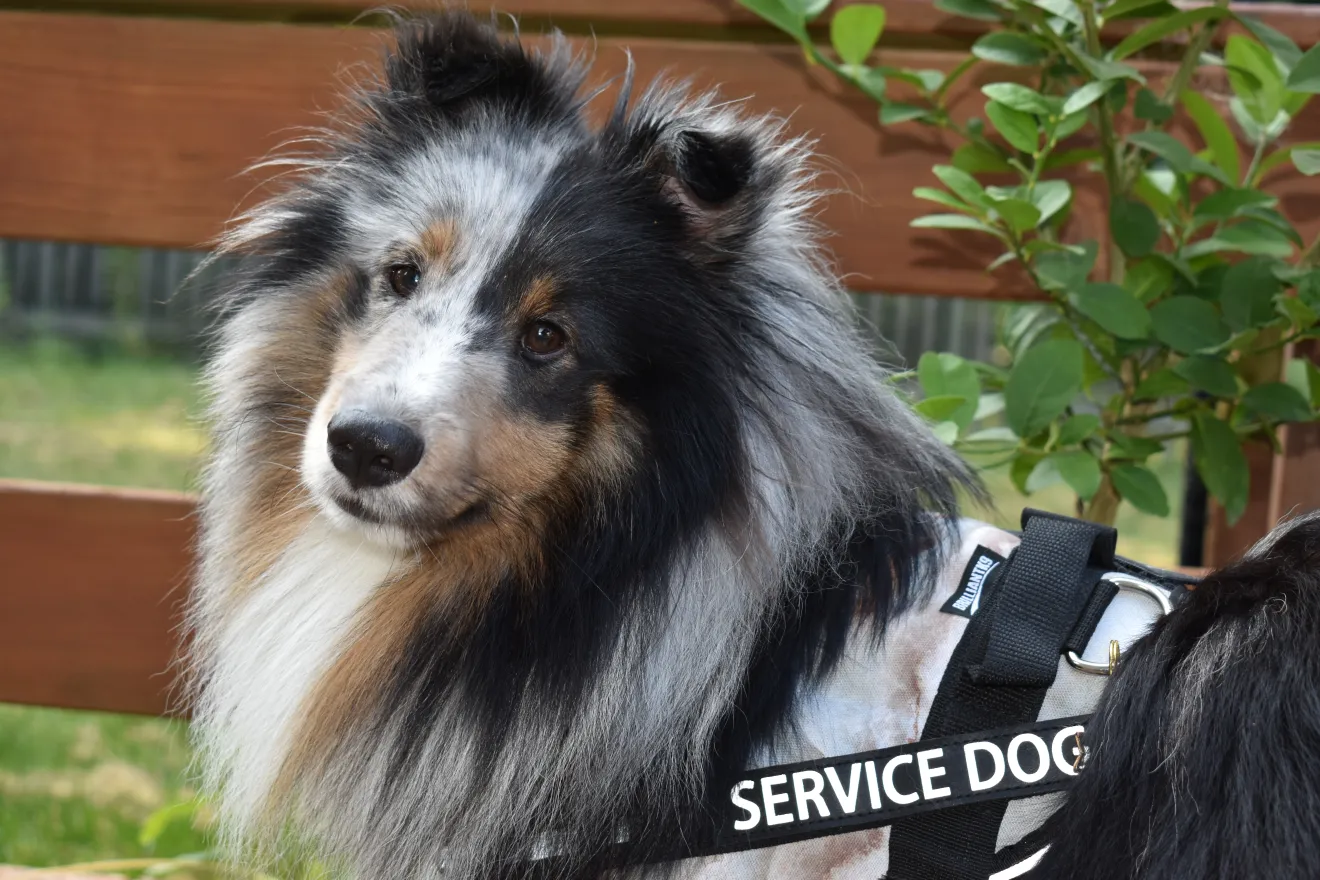
Celebrate National Service Dog Day by learning what service dogs do
Dogs have a remarkable ability to make life better. They can bring comfort during a difficult moment, encourage connection, support greater independence, and even perform tasks that help keep someone safe.
September is National Service Dog Month, a time to recognize the highly trained dogs that help people with disabilities live safer, more independent lives. It is also an opportunity to better understand the differences between service dogs, therapy dogs, and emotional support dogs.
For people with intellectual and developmental disabilities, including autism, these dogs may support communication, emotional regulation, daily routines, community participation, or personal safety. However, the kind of support a dog provides depends on its role and training.
What is a service dog?
A service dog is individually trained to perform specific work or tasks for a person with a disability. The task must be directly related to that person’s disability.
For someone with an intellectual or developmental disability or autism, a service dog may be trained to:
- Apply deep pressure by leaning against or lying across the person’s lap to help during sensory overload, anxiety, or distress
- Recognize signs of increasing stress and respond with a trained grounding behavior
- Interrupt repetitive or self-injurious behaviors
- Lead a person to an exit, caregiver, or designated safe space
- Alert a caregiver when the person needs assistance
- Wake someone from a nightmare or interrupt disrupted sleep
- Retrieve medication, a phone, a communication device, or another needed item
- Provide a physical cue for transitions or daily routines
- Respond to seizures or other medical events
- Help create personal space in crowded environments
Some autism service dog programs also train dogs to help reduce the risks associated with elopement, or wandering away from a safe environment. This may include alerting a caregiver, finding the person, or, in some programs, using a specialized tethering or anchoring system.
Tethering requires careful consideration. It can present safety concerns for both the person and the dog, and it should never replace attentive adult supervision or other safety measures. Families considering this type of support should work with a qualified service dog organization to determine whether it is appropriate for the individual.
What makes these actions service dog tasks is not simply that they are comforting. The dog has been trained to recognize a cue or situation and take a particular action that helps mitigate the person’s disability. For example, a dog that naturally enjoys lying beside someone may be comforting. A dog trained to apply deep pressure when it notices specific signs of distress is performing a disability-related task.
Service dogs support people with many kinds of disabilities, including disabilities that may not be immediately apparent. There is no single “look” for a service dog or the person who relies on one.
Under the Americans with Disabilities Act, service dogs are generally permitted to accompany their handlers in places open to the public, including stores, restaurants, hotels, and many health care settings. They are not required to wear a vest, carry identification, or complete a professional certification program. Learn more from the U.S. Department of Justice’s service animal guidance.
When a service dog is working, the best approach is to ignore the dog, even when it is especially cute. Do not pet, call to, feed, make eye contact with, or otherwise distract the dog without first asking the handler. Even a well-intentioned interaction can interrupt the dog’s concentration and ability to perform an important task.
What is a therapy dog?
Therapy dogs work with their owners or handlers to provide comfort and positive interaction to other people. They may visit hospitals, schools, nursing homes, libraries, behavioral health programs, or other community settings.
Unlike a service dog, which is trained to assist one person with a disability, a therapy dog may interact with many people. For individuals with intellectual and developmental disabilities or autism, time with a therapy dog may:
- Support emotional regulation
- Provide a calming focus during stressful situations
- Encourage communication and social interaction
- Help someone practice identifying and expressing emotions
- Increase participation in counseling, physical therapy, occupational therapy, or other activities
- Provide sensory engagement through gentle touch, brushing, or guided interaction
- Build confidence when practicing reading or another skill
- Encourage movement, play, or participation in a group
- Make an unfamiliar environment feel more welcoming
Some therapy dogs may be trained to offer deep pressure or another structured calming interaction. However, they are still therapy dogs if they provide these benefits as part of a visit or therapeutic program rather than working as a service dog for one specific handler.
Therapy dogs are typically selected for their calm, friendly temperaments and receive training to behave appropriately in the environments they visit. Most facilities require therapy dog and handler teams to complete an evaluation or register with a therapy animal organization.
Therapy dogs do not have the same public access rights as service dogs. They may enter hospitals, schools, or other facilities when invited or approved, but they are not automatically permitted in businesses or other public places that do not allow pets.
What is an emotional support dog?
An emotional support dog provides therapeutic benefits through companionship, affection, and its natural presence. Unlike a service dog, an emotional support dog is not trained to perform a specific task related to a disability.
For a person with an intellectual or developmental disability or autism, an emotional support dog may:
- Provide companionship and reduce feelings of loneliness
- Offer a calming presence after a stressful or overstimulating experience
- Support emotional regulation
- Bring predictability and structure to the day
- Encourage physical activity through walks and play
- Provide opportunities to practice caregiving and daily living skills
- Help make transitions, such as returning home from school or work, feel more comfortable
- Support social connection by giving the person and others a shared topic of interest
- Provide a sense of security at home
The key difference is that these benefits come from the relationship with the dog rather than from a specifically trained action. An emotional support dog may naturally sit beside someone when they are upset, for example, but it has not been trained to recognize distress and respond with a particular task.
Emotional support dogs are not considered service animals under the ADA and do not have the same public access rights. However, other laws may apply in certain settings, particularly housing. Requirements can vary by situation and location, so individuals and families should consult current government guidance or a qualified professional when requesting an accommodation.
A simple way to remember the difference
- A service dog is trained to perform specific disability-related tasks for one person.
- A therapy dog works with a handler to provide comfort, engagement, or therapeutic support to people in approved settings.
- An emotional support dog provides therapeutic benefits through companionship and its natural presence but is not trained to perform disability-related tasks.
Finding the right kind of support
A dog can be a wonderful source of support, but no type of dog is the right fit for everyone. Before pursuing a service dog, therapy dog program, or emotional support dog, it is helpful to consider the person’s comfort around animals, sensory preferences, support needs, living environment, and ability to participate in the dog’s care.
It is also important to remember that a dog is not a replacement for supervision, treatment, assistive technology, or other supports. When thoughtfully matched with a person and incorporated into a broader support plan, however, a dog may contribute to greater comfort, connection, confidence, and independence.
During National Service Dog Month, we celebrate the extraordinary partnership between service dogs and the people who rely on them. We can also honor these working dogs by understanding their role, respecting them while they work, and recognizing what distinguishes them from therapy dogs and emotional support dogs. Each provides a different kind of support, and each can make a meaningful difference.